Outline Plans, Local Outline Plans and Urban Renewal
Successful real estate and development projects rest on well-planned transportation infrastructure. At M.T.N. we turn vision into flowing traffic reality, ensuring your plan advances with minimal delay, with forward-facing planning and close guidance throughout the duration of the project.
Outline Plans, Local Outline Plans and Urban Renewal
Successful real estate and development projects rest on well-planned transportation infrastructure. At M.T.N. we turn vision into flowing traffic reality, ensuring your plan advances with minimal delay, with forward-facing planning and close guidance throughout the duration of the project.
At M.T.N. we specialize in comprehensive transportation guidance and consulting for urban outline plans and for both comprehensive and detailed local outline plans (TABA). Thanks to extensive experience and a deep understanding of traffic systems — from the local level to the metropolitan level — we know how to offer precise solutions tailored to each project.
Our planning integrates every component of transportation from neighbourhood intersections and streets to regional transport networks, with full consideration for pedestrians, cyclists, parking solutions, private vehicles and public transportation.
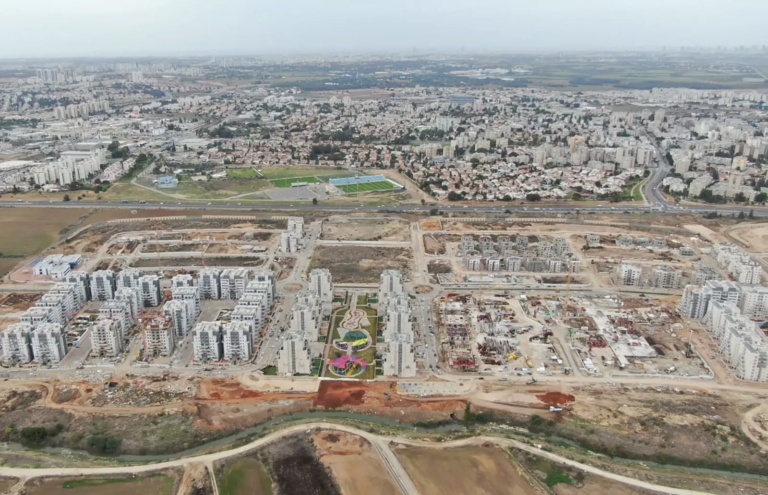
Over the years we have advised hundreds of plans from new residential neighbourhoods to strategic complexes on a national scale. Our clients include local authorities, developers, government ministries and some of Israel’s leading real estate companies. Along the way we have extensive planning experience advising on:
Individual buildings
Residential neighbourhoods
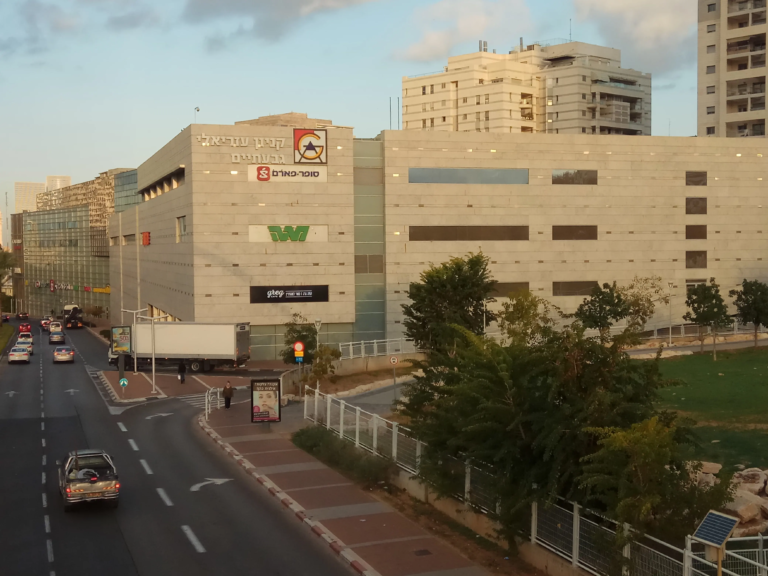
Employment and commercial complexes
Logistics and industrial centres
Academic campuses and military bases
Our team has full command of the requirements and procedures of all the relevant bodies: from the Planning Administration and the Ministry of Transport, through government companies (NTA, Netivei Israel, Ayalon Highways) to local authorities.
All of this to ensure that the project’s transportation infrastructure performs at its best over time, supports future growth, and saves costly planning mistakes further down the road.
Our advantages
The added value for you
Seeing the whole picture
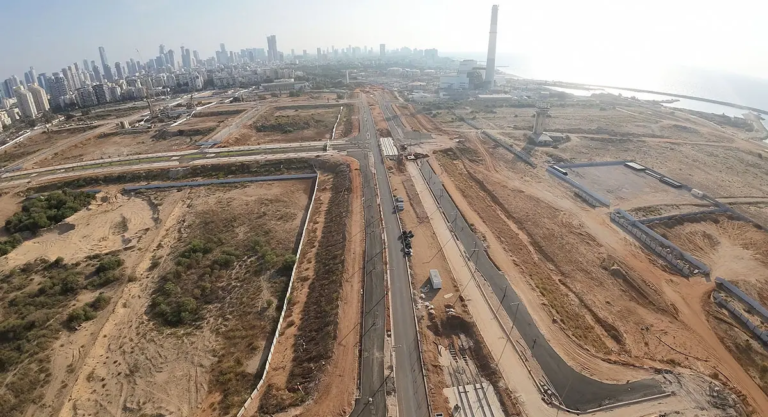
In transportation planning for master plans, urban outline plans and local outline plans, looking only at what lies within the plan’s boundaries simply is not enough. We therefore examine how the project fits into the wider space: existing and forecast traffic, planned public transportation, urban and regional access routes, and future infrastructure. Thanks to a deep, systems-level view, we identify weak points in advance and offer solutions that prevent problems, so the project performs well in the future too.
Professional coordination among all consultants
We work in full cooperation with every party involved in the planning: architects, urban planners, appraisers, systems engineers, and infrastructure, environmental and sustainability consultants. Thanks to this coordination, every planning decision is backed by a precise transportation solution that takes into account not only transport requirements but also spatial, environmental and economic constraints. This avoids contradictions between consultants, obstacles in approval processes, or costly corrections at later stages. You receive one complete, coordinated and workable plan that performs well and takes the phasing of development into account.
Flexibility, creativity and adaptation to the client's needs
We approach every project with an open mind and full attention to needs, constraints and vision. We know how to handle complex challenges: plans in saturated areas, unregulated land, plots with topographic difficulties, or areas with regulatory transport limitations — and we offer innovative solutions grounded in a comprehensive transport analysis. In this way we enable the planning potential and the economic value of the project to be realized to the fullest.
A partner who is with you all the way
At M.T.N. we believe in genuine personal guidance, and every project is therefore assigned a senior partner from the firm. They are your permanent point of contact from the very first moment to the final approval of the plan. That means fast, professional support of the highest order, with full transparency and availability throughout: in committee deliberations, before professional teams and planning institutions. This guarantees you continuity, consistency and coherent handling.
Planning that looks ahead and reduces future traffic congestion
We plan with future population growth, new infrastructure development and changing travel habits in mind. In this way we ensure the plan remains relevant and effective for many years to come, prevent built-in transport bottlenecks, and reduce the need for costly, far-reaching changes in the future.
Do you want to ensure the success of your next project? Talk to us! We would be glad to arrange a consultation and tailor a smart, dynamic traffic solution to your needs >>